How Florists Can Use Botanical Gardens for Research
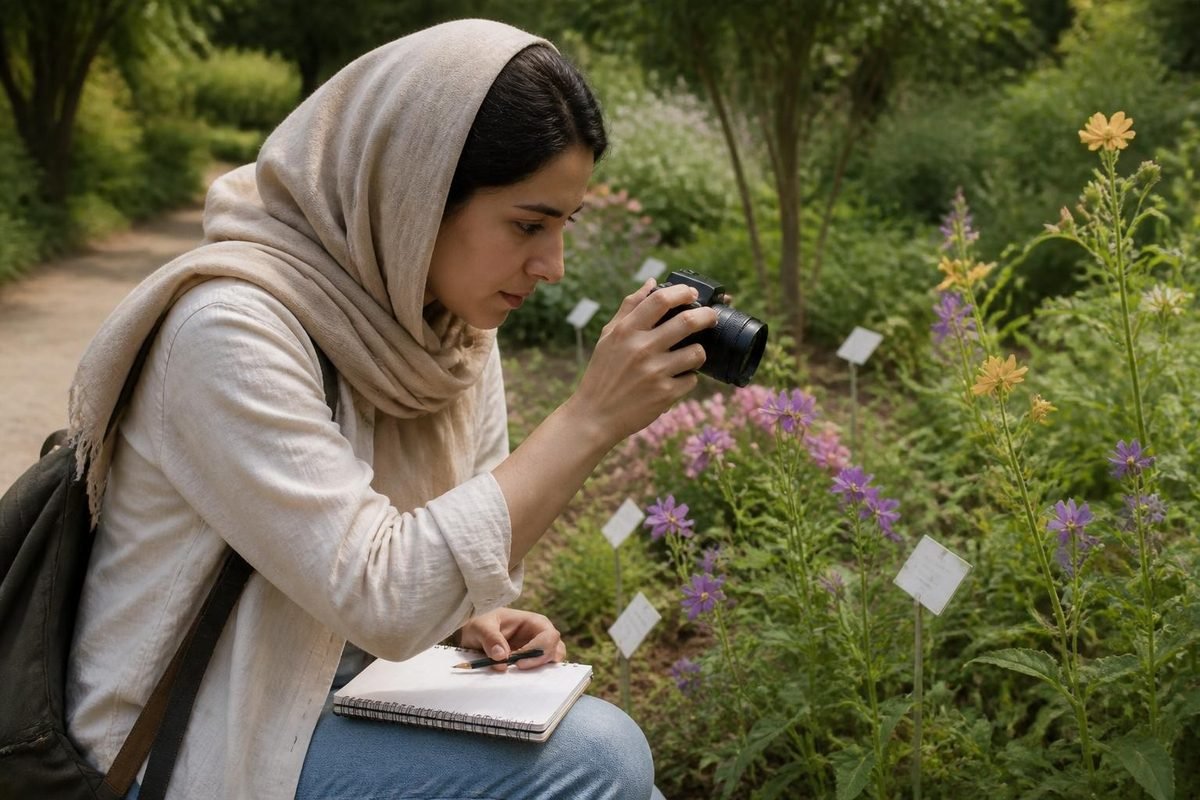
Florists can use botanical gardens to study living plants, observe seasonal changes and find reliable information about species used in floral design. A planned visit can sharpen knowledge of form, color and growth while helping florists distinguish garden observations from the practical demands of cut flowers.
Plan a focused visit
Start with a design or research question. You might want to examine the structure of flowering branches, compare foliage shapes or see how a plant changes as its flowers open. A narrow aim makes it easier to take useful notes rather than collect a large set of unrelated photographs.
Check the garden’s website before going. A map, collection guide or plant database may show where to find a particular group of plants. Some gardens also publish information about seasonal displays, access rules and photography.
Bring a notebook and a camera or phone. Record the date and location of each observation, along with the plant name on its label. If a plant is not labeled, note its position so you can ask garden staff about it later.
Observe plants in detail
Look beyond flower color. Notice the direction of stems, the spacing of leaves and the way blooms sit above or among foliage. These details can inform choices about line, proportion and placement in an arrangement.
Photograph the whole plant first, then take closer views of features you want to remember. Include a label in a separate image where possible. Written notes can capture qualities that photographs may miss, such as scent or the contrast between glossy and matte leaves.
- Compare open flowers with buds on the same plant.
- Note how stems branch and where leaves attach.
- Observe combinations of color and texture in nearby plantings.
- Record any visible changes in flowers or foliage as they age.
Do not pick flowers, leaves or seed heads unless the garden has expressly permitted it. A photograph and a careful description are usually enough for visual research.
Use labels and garden resources
Plant labels can provide a starting point for identifying a species or cultivar. Record both the botanical name and any common name shown. Botanical names are useful because common names can refer to different plants.
Check your notes against the garden’s published resources or other authoritative botanical references. If you need more detail, ask staff whether the garden offers classes, guided walks, library access or collection information. Respect their time and follow the garden’s visitor rules.
Apply findings to floral work
Translate observations into sketches, color studies or a reference file organized by plant and season. A garden visit may suggest a pairing of foliage and flowers or reveal a stem shape worth seeking from a flower supplier.
A plant that looks good in the ground will not necessarily perform well in a vase. Before using it in an arrangement, check its availability, handling needs and suitability as a cut stem. Confirm safety information as well, particularly for designs intended for homes with children or animals.
Return at different times of year and compare your notes. Repeated visits can show changes that a single afternoon cannot, giving you a more dependable visual record for future designs.
Have a look at flowers on film sets